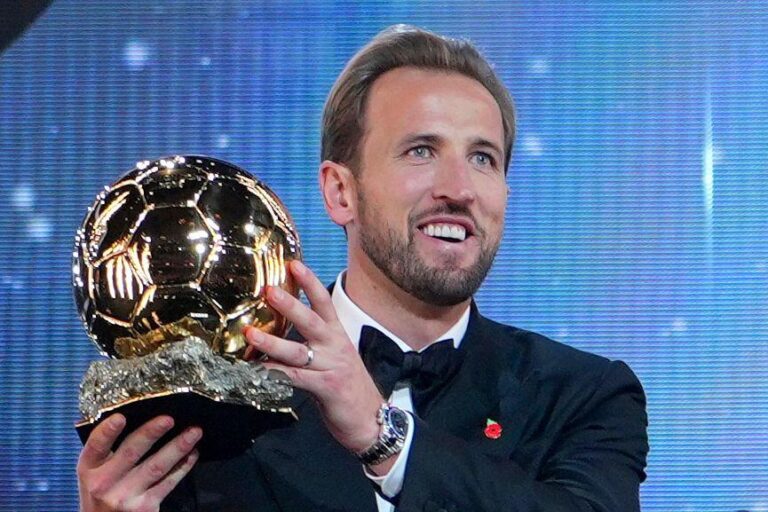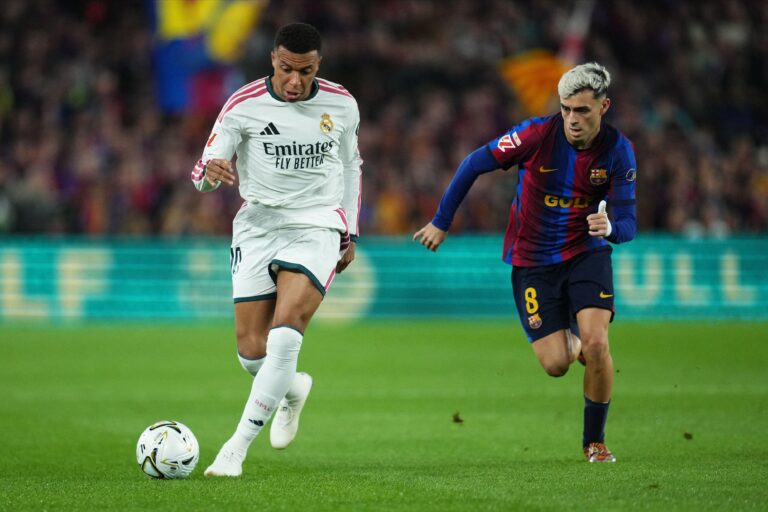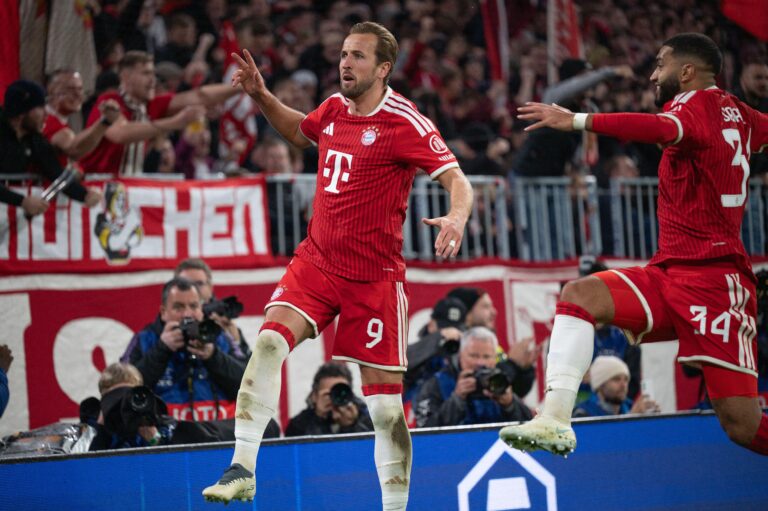

Argentina’s defence of the FIFA World Cup began with a result that immediately entered the tournament record book. On 16 June 2026, Argentina beat Algeria 3-0 in Kansas City, with Lionel Messi scoring all three goals. FIFA’s match report records the scoring minutes as 17, 60 and 76 and confirms that the performance took him to 16 World Cup goals.
That total matched the longstanding tournament record held by Germany’s Miroslav Klose. The achievement matters because it joined a single match to a much longer World Cup story: Messi’s first appearance at the finals came in 2006, while Argentina’s previous campaign ended with the 2022 title. The Algeria game was therefore both the opening fixture of a new group stage and a landmark in a career that has spanned six World Cups.
The match in Kansas City
FIFA listed the fixture as Argentina 3-0 Algeria in Group J. The first goal came after Messi received possession around 30 yards from goal, moved forward and curled a finish beyond goalkeeper Luca Zidane. Algeria had an earlier effort by Fares Chaibi ruled out for offside, while Messi also had a goal disallowed before the opening score. Those moments made the first half more competitive than the final score alone suggests.
Argentina’s second arrived after the interval and the third followed 16 minutes later. The official report describes the hat-trick as taking Messi from three goals behind Klose’s mark at kick-off to level with it inside 76 minutes. Rather than treating every record as a prediction of what would follow, the important confirmed fact is simple: by full time, Argentina had opened their title defence with three points and their captain had equalled the competition’s all-time goalscoring total.
The result also placed Algeria’s performance in proper context. Algeria did not qualify for the tournament merely to fill a group: FIFA’s report shows that they created moments which required Argentina to stay alert, especially before the first goal. But Argentina were able to turn their main attacking chances into a decisive margin, and the goals were all credited to the same player.
What the record means
World Cup goals are counted only in finals tournaments, not in qualifying, friendlies or other international competitions. Klose reached 16 across four World Cups from 2002 to 2014. Messi’s route to the same figure covered a longer period and included his 2022 triumph with Argentina. FIFA’s 2022 Golden Ball announcement confirms that Messi was named the best player of that tournament after Argentina won his first World Cup.
That distinction is useful when reading records. A player’s total international goals and World Cup goals are different measures. So are a World Cup Golden Ball, awarded for a tournament, and a Golden Boot, awarded for goals. The Algeria hat-trick concerned the latter kind of statistical history: it raised Messi’s World Cup-finals scoring total to the record figure. It did not by itself decide the 2026 Golden Boot or settle Argentina’s progress beyond the group stage.
The opening match did, however, give Argentina a strong platform. At the expanded 2026 finals, 48 teams were arranged in 12 groups of four. FIFA’s tournament format explainer states that the top two teams in each group and the eight best third-placed teams advanced to the Round of 32. A win still carried the familiar value of three points, but qualification involved both the group table and the ranking of third-placed teams.
Argentina’s route after the opener
The Algeria result was the first chapter, not the final verdict on Argentina’s title defence. FIFA later reported that Argentina reached the 2026 final against Spain, having scored 19 goals on their route to New York New Jersey Stadium. The final report confirms that Spain won 1-0 after extra time, with Ferran Torres scoring in the 106th minute.
That later result gives the Algeria match a clearer retrospective frame. Argentina’s 3-0 start was not an isolated display or a misleading friendly; it was the beginning of a campaign that carried the defending champions all the way back to the final. Messi’s hat-trick remained one of the campaign’s defining individual achievements, while the team’s journey demonstrated the difference between a memorable opener and the sustained consistency required to reach a final.
For readers looking back at the game, the safest summary is the official one. Argentina defeated Algeria 3-0. Messi scored in the 17th, 60th and 76th minutes. He equalled Klose’s record of 16 World Cup goals. Those verified points are already substantial enough without adding unconfirmed claims about legacy, motivation or future plans.
Sources
- FIFA: Argentina 3-0 Algeria match report — score, scorers, match narrative and record-equalling total.
- FIFA: Messi named Qatar 2022 Golden Ball winner — 2022 award and title context.
- FIFA: World Cup 2026 format — 48-team group and qualification structure.
- FIFA: Spain 1-0 Argentina final report — Argentina’s route to the final and final result.
Publisher
The BW Game Hub Sports Analysis Unit is the senior sports news desk at BW Game Hub, overseeing daily sports news coverage, football market analysis and legal updates across international jurisdictions. With a background in sports journalism and market research, the unit tracks player movements, league developments and operator news to bring readers real-time, verified insights.