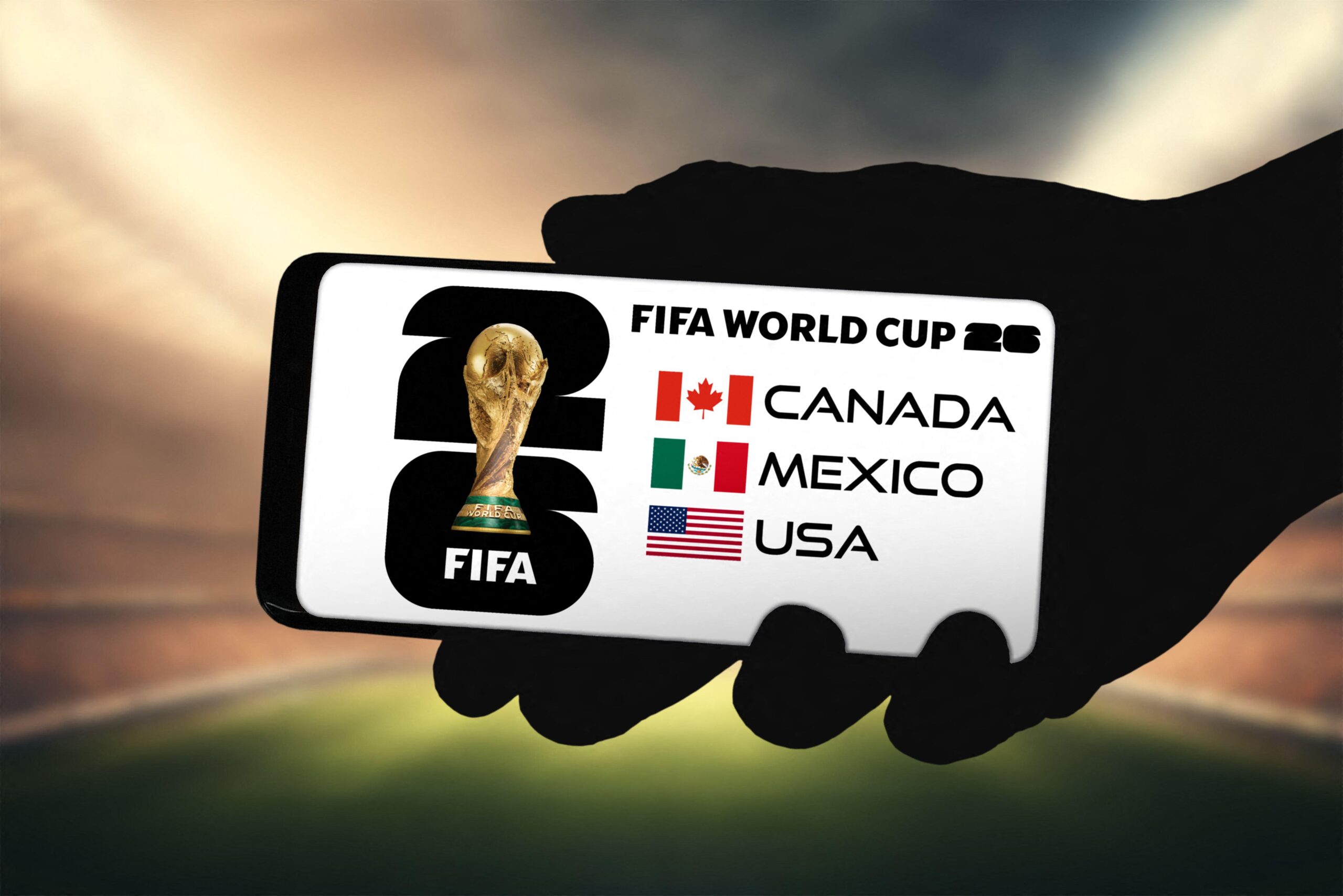
The FIFA World Cup 2026 will be the biggest tournament in football history. Hosted by the United States, Canada, and Mexico, the competition introduces major changes to both the tournament format and the Laws of the Game. For the first time, 48 national teams will participate in a FIFA World Cup, while several new rules approved by the International Football Association Board (IFAB) will be implemented to improve match flow, reduce time-wasting, and increase respect for referees. These changes could have a significant impact on how teams approach the tournament and how matches are played.
FIFA World Cup 2026 Format Changes
The most significant change is the expansion from 32 teams to 48 teams. The tournament will consist of 12 groups of four teams. Each team will play three group-stage matches, with the top two teams from every group and the eight best third-placed teams advancing to a new Round of 32. This means teams must now win an additional knockout match to become world champions.
Key Format Changes
- 48 participating nations instead of 32.
- 12 groups of four teams.
- New Round of 32 stage.
- 104 matches instead of 64.
- More qualification opportunities for nations around the world.
Why FIFA Expanded the World Cup
FIFA believes the expansion will make the tournament more inclusive and allow more countries to compete on football’s biggest stage. Supporters argue that more nations will gain valuable experience and exposure, while critics believe the larger tournament could increase player fatigue and reduce the overall quality of some matches. Nevertheless, the 48-team format has now become the new standard for future World Cups.
Complete Guide to the New IFAB Rules for the 2026 FIFA World Cup
In addition to the new tournament structure, several important IFAB rule changes will be in force during the competition. These changes are designed to increase effective playing time, improve referee authority, and eliminate common forms of gamesmanship.
1. Goalkeepers Can Hold the Ball for Only Eight Seconds
One of the most important changes targets goalkeeper time-wasting. Under previous laws, goalkeepers could theoretically be penalized after six seconds, but referees rarely enforced the rule. IFAB has replaced that provision with a more practical system. Goalkeepers are now allowed to hold the ball for a maximum of eight seconds. During the final five seconds, the referee will perform a visible countdown using a raised hand. If the goalkeeper exceeds eight seconds, the opposing team will be awarded a corner kick. This replaces the previous indirect free kick sanction.
Potential Impact
- Faster restarts.
- Less time-wasting.
- More attacking opportunities.
- Increased pressure on goalkeepers.
2. Expanded VAR Powers
Video Assistant Referee technology will continue to play a major role at the 2026 World Cup. Recent IFAB changes allow additional VAR intervention in certain situations where clear errors may influence the outcome of a match. The goal is to improve decision accuracy while minimizing interruptions.
Benefits
- Fewer major refereeing mistakes.
- Greater consistency in decision-making.
- Increased fairness in critical moments.
3. Stronger Measures Against Time-Wasting
IFAB has introduced several initiatives designed to keep the game moving. Referees are expected to take a stricter approach toward unnecessary delays during restarts, substitutions, and other stoppages. These measures are intended to increase effective playing time and reduce situations where teams attempt to protect a lead by slowing down the game.
4. Restrictions During Goalkeeper Treatment
A new rule prevents teams from using goalkeeper injuries as unofficial tactical timeouts. When a goalkeeper receives treatment on the field, players from both teams are no longer allowed to leave the playing area to gather around coaches and receive tactical instructions. The objective is to prevent coaching opportunities that arise from prolonged treatment stoppages.
5. The “Only the Captain” Approach
IFAB has encouraged competitions to implement the “Only the Captain” communication guideline. Under this approach, only team captains are expected to communicate directly with referees regarding major decisions. Other players who aggressively surround officials may be disciplined. This initiative aims to improve respect for referees and reduce confrontations.
Advantages
- Improved communication.
- Reduced referee intimidation.
- Better match control.
- Greater respect for officials.
6. Tougher Action Against Unsporting Behavior
The governing bodies of football continue to strengthen protections for referees and match officials. Players and team officials may face harsher disciplinary sanctions for aggressive dissent, abusive conduct, or behavior that undermines the authority of match officials. These measures are intended to improve player conduct throughout the tournament.
7. Improved Semi-Automated Offside Technology
The World Cup will use the latest version of semi-automated offside technology. Advanced camera systems and player-tracking technology will assist match officials by identifying offside situations more quickly and accurately. The technology is designed to reduce delays and increase confidence in offside decisions.
How the New Rules Could Change the Tournament
The combination of the expanded 48-team format and the latest IFAB rule changes could create a significantly different World Cup experience. Teams that adapt quickly to faster restarts, stricter officiating, and increased emphasis on active playing time may gain a competitive advantage. Goalkeepers will need to distribute the ball more rapidly, players will have fewer opportunities to waste time, and referees will receive greater support through technology and disciplinary measures. As a result, fans may witness a faster, more dynamic, and more entertaining tournament than ever before.
FIFA and IFAB Are Reshaping the Modern Game
The FIFA World Cup 2026 marks one of the most significant changes in the history of international football. The expansion from 32 to 48 teams will give more nations the opportunity to compete on the sport’s biggest stage, while the latest IFAB rule changes are designed to improve match flow, reduce time-wasting, and enhance the overall fairness of the game. From the introduction of the eight-second goalkeeper rule to improved officiating technology and stricter disciplinary measures, these changes reflect FIFA’s commitment to modernizing football while maintaining the competitive spirit that makes the World Cup unique. While opinions may differ on some of the new regulations, there is little doubt that the 2026 tournament will help shape the future of international football. With 104 matches, a new Round of 32, expanded global participation, and updated Laws of the Game, fans can expect one of the most exciting and influential World Cups ever held. As the countdown to kick-off continues, supporters across Cyprus and around the world will be eager to see how teams adapt to these historic changes. Stay connected with our latest football coverage for expert analysis, World Cup news, team previews, and in-depth updates throughout the road to FIFA World Cup 2026.
Publisher
The BW Game Hub Editorial Team delivers expert football analysis, match insights, and data-driven coverage across global competitions.